Stop Shopping for Colleges Like You're Buying a Luxury Brand
Stop Shopping for Colleges Like You’re Buying a Luxury Brand By Taimur Ahmed Walk into almost any high school guidance office, college fair, or parent information session, and you’ll hear the same names repeated over ...
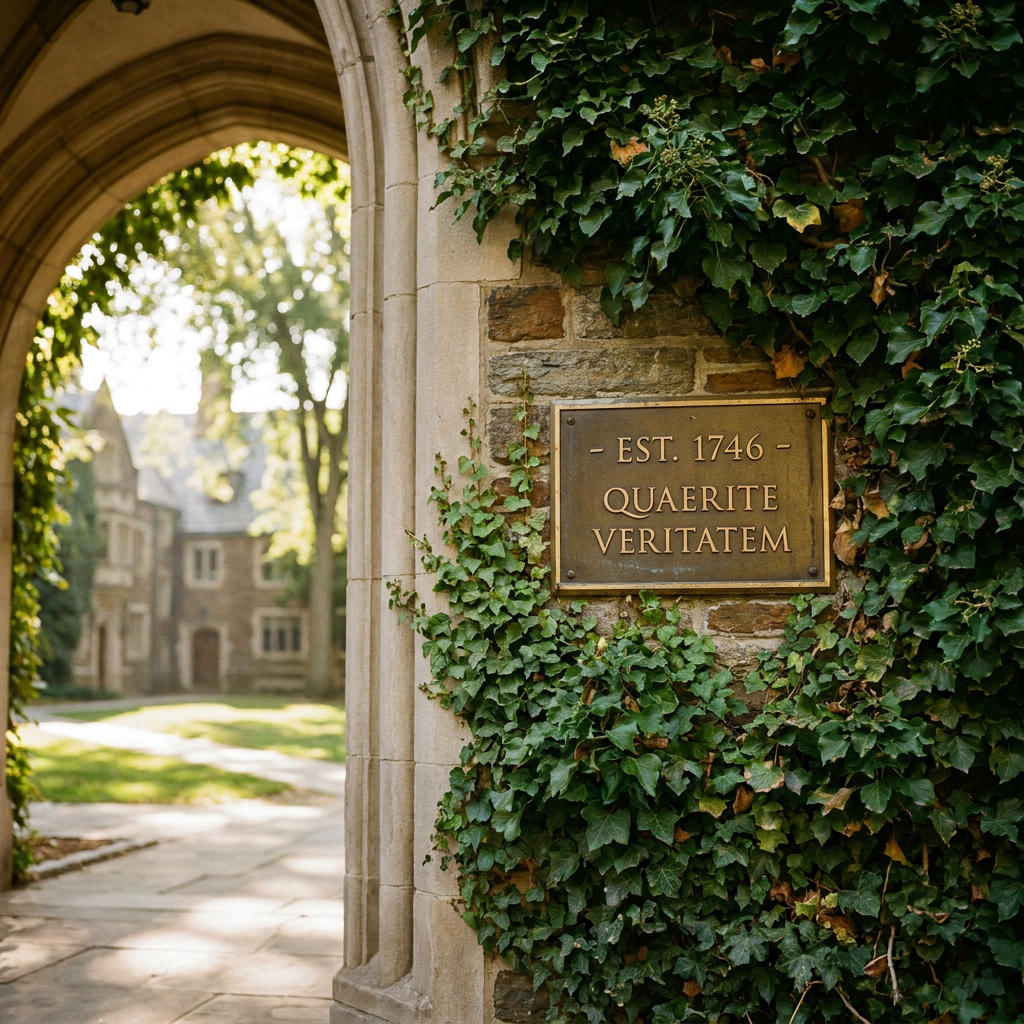
Stop Shopping for Colleges Like You’re Buying a Luxury Brand By Taimur Ahmed Walk into almost any high school guidance office, college fair, or parent information session, and you’ll hear the same names repeated over and over again. Harvard. Stanford. Princeton. Yale. MIT. Duke. Penn. Somewhere along the way, we began talking about colleges the same way people talk about luxury watches or designer handbags. The brand became the product. Parents proudly announce where their child was admitted before anyone asks what they actually plan to study. Students wear college sweatshirts before they’ve even taken their first class. Families spend hundreds of hours debating rankings but almost no time discussing curriculum, faculty accessibility, internship opportunities, or long-term career strategy. We’ve confused prestige with purpose. As someone who graduated from Harvard and has spent years helping students navigate admissions at every level—from community colleges to the Ivy League—I understand the appeal of prestigious institutions. But I also know something many families don’t. A prestigious name can open a door. It cannot walk through it for you. The Luxury Brand Mentality Imagine someone shopping for a car. Instead of asking: ● Is it reliable? ● Is it fuel efficient? ● Does it fit my family’s needs? ● What’s the total cost of ownership? They ask only one question: “Which logo is on the hood?” We would call that irrational. Yet families make the educational equivalent of that decision every year. The college logo becomes the objective instead of the education itself. Rankings become the goal instead of learning. Acceptance rates become trophies instead of context. Students begin making decisions based on what will impress strangers rather than what will help them flourish. That’s a dangerous way to plan one of the most important investments of your life. What Employers Actually Care About The workforce is changing faster than most colleges. Artificial intelligence is reshaping nearly every profession. Automation is eliminating routine tasks. Remote work has expanded hiring beyond geographic boundaries. Employers increasingly evaluate graduates based on their ability to solve problems, collaborate, communicate, and adapt—not simply the name printed at the top of their diploma. That’s one reason recent employer surveys and analyses have highlighted a broader range of institutions producing graduates who are highly valued in today’s economy. Prestige still matters in some contexts, but it is no longer the only signal employers consider. The marketplace is becoming more meritocratic. That’s good news. My Harvard Degree Didn’t Build My Career People often assume Harvard changed my life because of the diploma. It didn’t. Harvard changed my life because of the people. The conversations. The professors. The classmates. The expectations. The intellectual environment. The degree opened certain doors. What happened after those doors opened depended entirely on what I did once I entered the room. That’s an important distinction. Students often chase admissions letters as though success automatically follows enrollment. It doesn’t. College is an opportunity. Not a guarantee. Why Starting Somewhere Else Isn’t Failure One of the most meaningful experiences in my own educational journey wasn’t arriving at Harvard. It was beginning at Valencia Community College. At the time, I saw community college as evidence that I hadn’t reached my potential. Today, I see it differently. Valencia gave me time to mature academically. It gave me outstanding professors. It gave me confidence. It gave me direction. It ultimately positioned me to transfer successfully to the University of Florida before continuing my education at Harvard. That experience permanently changed how I advise families. Where you start matters far less than how intentionally you move forward. The Problem With Rankings College rankings are useful. They’re just incomplete. Most rankings attempt to compress thousands of variables into a single number. Research output. Faculty resources. Selectivity. Financial resources. Graduation rates. Alumni giving. Peer reputation. Those metrics may matter. But they don’t answer the question every family should be asking: Is this the right place for this particular student? A student interested in nursing should evaluate different criteria than someone pursuing physics. A future entrepreneur may prioritize a completely different ecosystem than a student planning medical school. The “best” college doesn’t exist. The best fit does. Opportunity Costs Matter College isn’t just about tuition. It’s about four years of your life. If a student graduates with: ● crippling debt, ● no internships, ● weak faculty relationships, ● little research experience, ● and no professional network, then even an elite diploma may not produce the return they expected. Conversely, another student may graduate from a public university with: ● minimal debt, ● multiple internships, ● published research, ● faculty mentors, ● leadership experience, ● and a clear career trajectory. Which student made the better investment? The answer isn’t always obvious until years later. Reverse Engineering Success One of the biggest changes I’ve made in my consulting philosophy is encouraging families to work backward. Don’t start with the college. Start with the destination. Ask questions like: ● What career interests you? ● What graduate programs might you pursue? ● Which professors conduct research in your field? ● What internship pipelines exist? ● What companies recruit there? ● How much debt is reasonable? ● What learning environment helps you thrive? Only then should you begin building a college list. The destination should shape the journey—not the other way around. Community College Isn’t the Detour Many Families Think It Is For many students, beginning at a Florida public college can be one of the smartest financial and academic decisions they ever make. Florida’s statewide articulation framework provides pathways that allow students to complete an Associate in Arts degree before transferring into the State University System, while protecting many earned credits when the process is planned carefully. Those pathways are powerful, but they require strategic course selection and an understanding that admission to specific universities or limited- access majors remains competitive. This isn’t settling. It’s planning. That’s an important difference. The College Sticker Isn’t the Product Luxury brands sell exclusivity. Universities should sell transformation. If a college helps you: ● discover your purpose, ● develop meaningful relationships, ● challenge your assumptions, ● prepare for your profession, ● and become a more thoughtful human being, then it has delivered extraordinary value regardless of where it appears in a magazine ranking. Education should never become a status competition. It should remain what it has always been at its best: A process of becoming. Final Thoughts When I meet families for the first time, many expect me to hand them a list of prestigious colleges. Instead, I ask a different question. “Tell me about your child.” Not their GPA. Not their SAT score. Not their class rank. Tell me what excites them. What frustrates them. What problems they want to solve. What kind of life they hope to build. Because once we understand the student, choosing the right college becomes much easier. The name on the sweatshirt matters far less than the person wearing it. And in a world changing faster than ever before, the students who succeed won’t necessarily be those who attended the most famous university. They’ll be the ones who chose the university that helped them become the best version of themselves.